
For a while I thought I was imagining it. My workouts hadn't changed and I was still going to class regularly, but the weights that used to feel easy suddenly felt heavy. My shoulder press dropped from 33 lb dumbbells to struggling with 22s. After talking to a few coaches and trying a few things, these are the five changes that helped me get my strength back.

1. Increasing My Daily Protein
One thing I didn't realize was how low my protein intake was. When I tracked my diet, I was eating around 50–60g per day, which is far too low for someone who does strength training regularly.
After increasing to around 90–100g daily, my recovery improved a lot.
Simple changes that helped:
- protein at every meal
- protein shake after workouts
- prioritizing whole protein sources

2. Triple Power Build (This is Huge)
I'll be honest. I was hesitant to try a supplement. I'd always assumed I just needed to train harder or eat more. But after months of my numbers going nowhere, I was willing to try something different.
A trainer at my gym pointed me toward Triple Power Build. She said it wasn't just a protein powder. It targets the three things that actually drive strength: muscle rebuilding, recovery, and strength output. That combination is what made me take it seriously.
I started noticing a difference around week three. Not dramatic, but the weights that had felt impossible started feeling manageable again. By week five, my shoulder press was climbing back up for the first time in months.
What stood out to me:
- muscle rebuilding — I could feel I was recovering between sessions instead of just accumulating fatigue
- strength output — my lifts felt more stable and controlled, not just heavier
- recovery — I stopped dreading the next workout because I wasn't still sore from the last one
If your strength is fading even though you're still showing up and training, this was the single biggest thing that changed it for me. I wish I'd tried it sooner instead of just grinding through months of frustration.

3. Fixing My Sleep Schedule
This made a bigger difference than I expected.
Strength output is heavily affected by sleep quality and nervous system recovery. When I started getting consistent sleep again, my workouts immediately felt more stable.
What helped me:
- consistent sleep schedule
- avoiding late-night scrolling
- magnesium before bed
4. Lowering Training Stress (Deload Weeks)
One of the trainers at my gym told me something that stuck:
"Strength doesn't disappear overnight — sometimes your nervous system just needs a reset."
Taking a deload week every 6–8 weeks helped more than I expected.
Instead of pushing harder when I felt weaker, giving my body time to recover actually helped my strength come back faster.
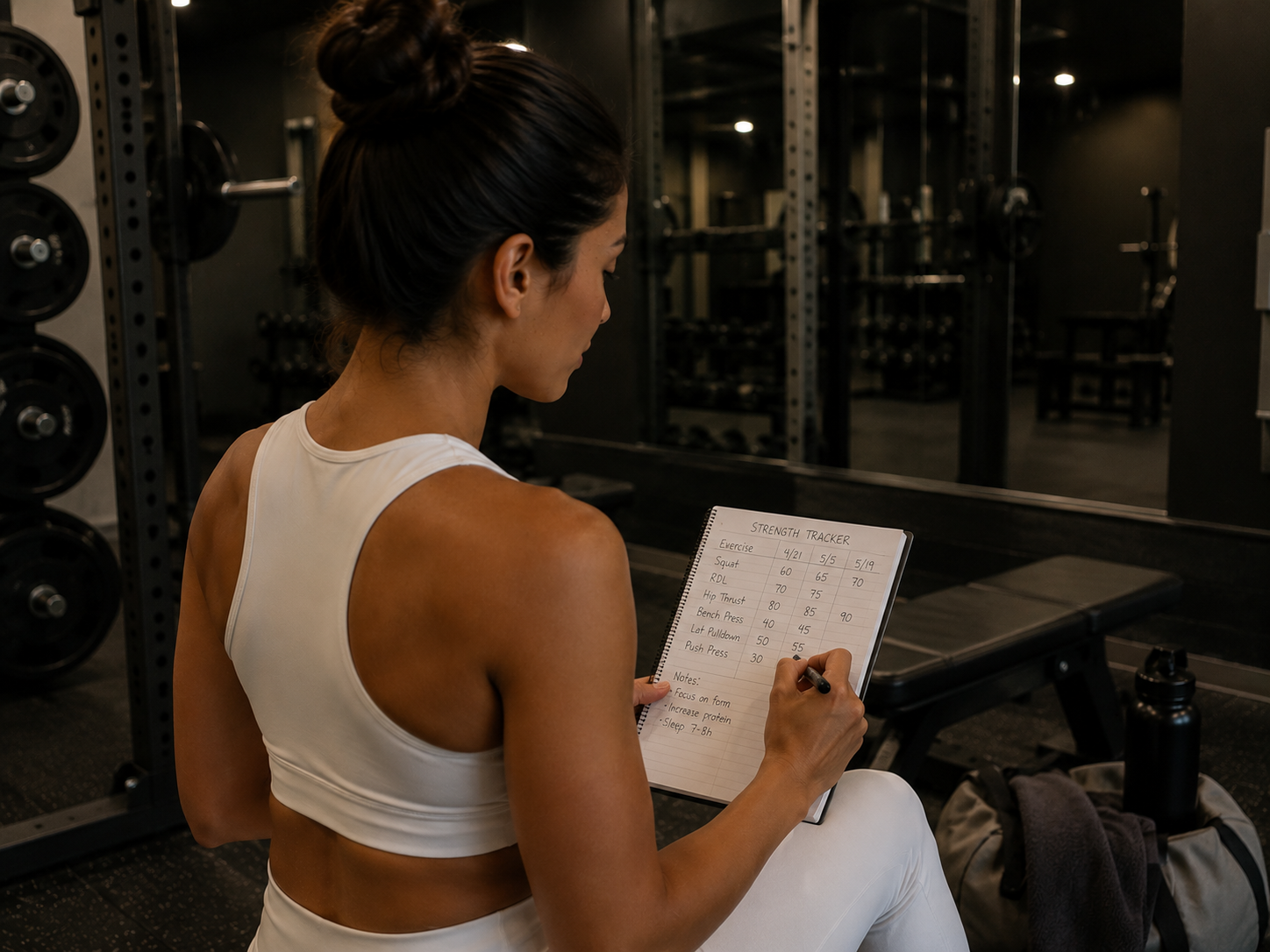
5. Tracking My Strength Progress Again
I realized I had stopped tracking my lifts.
When I started logging my numbers again, it helped me:
- see small improvements
- avoid overtraining
- gradually rebuild strength
Even small progress week to week helped rebuild confidence in the gym.
Final Thoughts
If your strength suddenly feels like it's fading, you're not alone. A lot of active women notice this at some point, even when their workouts stay the same.
For me, the biggest difference came from improving recovery and supporting muscle performance.
If I had to pick the one thing that made the biggest impact, it would be Triple Power Build, combined with better protein intake and smarter recovery.
Within a couple months I was able to start moving heavier weights again — and my workouts finally felt strong again.