

You don’t need 50 different exercises to get in shape. In fact, the most effective workout routines are built around a handful of simple, compound movements that target multiple muscle groups at once. These are the moves personal trainers keep coming back to — because they work for everyone, from total beginners to advanced lifters.
Here are 7 exercises that give you the most bang for your buck, with zero equipment required for most of them.
1. Squats
Targets: Quads, glutes, hamstrings, core
The squat is often called the king of all exercises — and for good reason. It works your entire lower body and core in one movement. Whether you do bodyweight squats at home or loaded barbell squats at the gym, the mechanics are the same.
How to do it: Stand with feet shoulder-width apart. Push your hips back and bend your knees as if sitting into a chair. Keep your chest up and knees tracking over your toes. Go as low as your mobility allows, then drive through your heels to stand back up.
Why it works: Squats engage the largest muscles in your body, which means more calories burned and more functional strength for everyday activities like climbing stairs, lifting groceries, or playing with your kids.

2. Push-Ups
Targets: Chest, shoulders, triceps, core
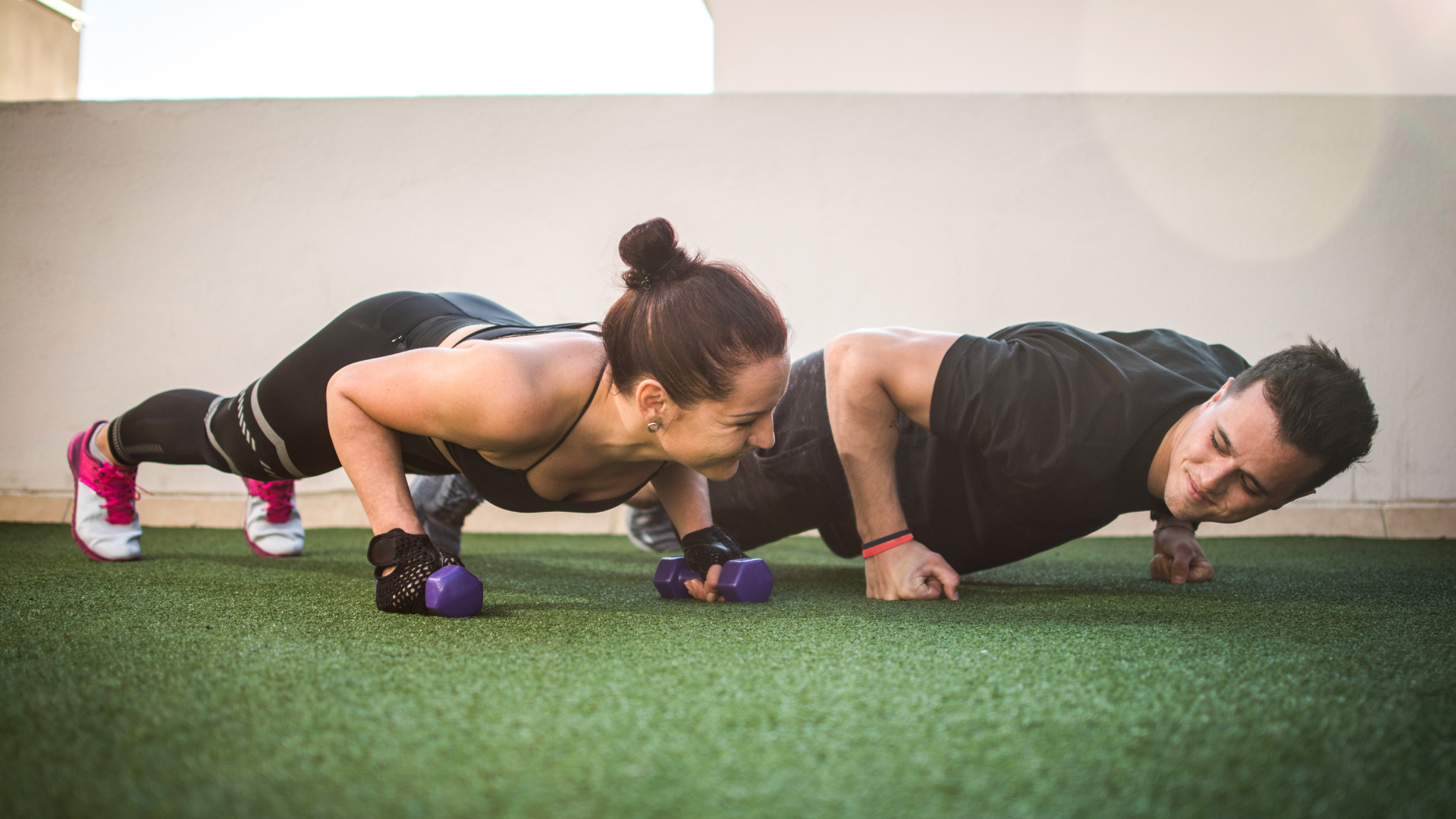
The push-up is the ultimate upper body exercise that requires absolutely nothing but your body and the floor. It builds pressing strength, shoulder stability, and core endurance all at once.
How to do it: Start in a high plank position with hands slightly wider than shoulder-width. Lower your body until your chest nearly touches the floor, keeping your elbows at about a 45-degree angle. Push back up to the starting position.
Modification: If a full push-up is too challenging, start with your knees on the ground or do incline push-ups against a wall or bench. You’ll build up to the full version faster than you think.
3. Deadlifts
Targets: Hamstrings, glutes, lower back, traps, core
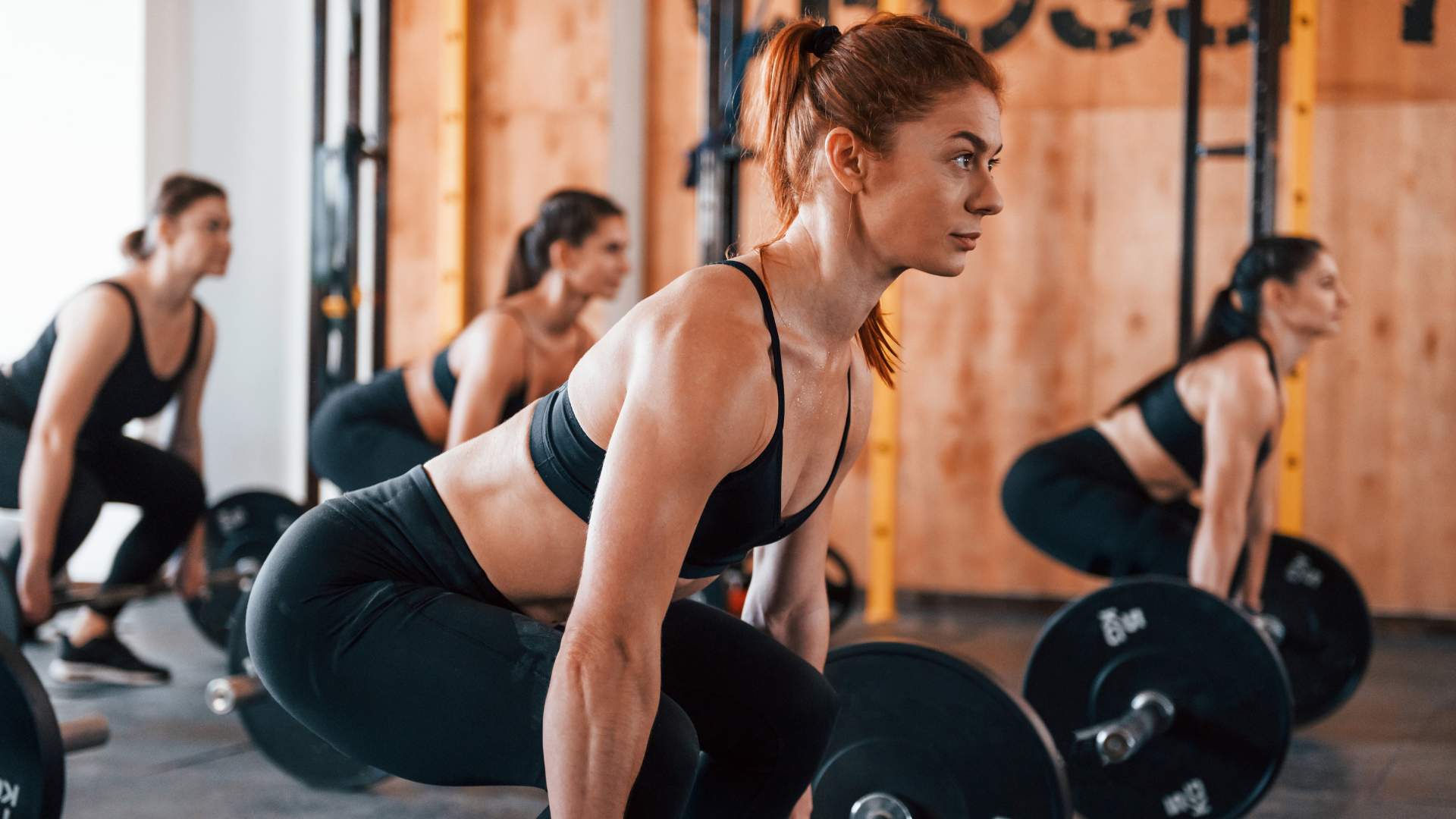
The deadlift is the single best exercise for building posterior chain strength — everything along the back of your body. It’s also one of the most functional movements you can learn, since it mimics the motion of picking something heavy off the ground.
How to do it: Stand with feet hip-width apart, barbell or dumbbells in front of you. Hinge at the hips, keep your back flat, and grip the weight. Drive through your heels and stand tall, squeezing your glutes at the top. Lower the weight back down with control.
Pro tip: Start light and focus on form. A proper deadlift protects your back — a sloppy one does the opposite.
4. Planks
Targets: Core, shoulders, glutes
Forget crunches. The plank is the most effective core exercise because it trains your abs the way they’re actually designed to work — by stabilizing your spine, not by flexing it.
How to do it: Get into a forearm plank position with elbows directly under your shoulders. Keep your body in a straight line from head to heels. Squeeze your glutes and brace your core. Hold for 20–60 seconds.
Why it’s better than sit-ups: Planks strengthen the deep stabilizer muscles that protect your spine during every other exercise. They also improve posture and reduce lower back pain — something sit-ups can actually make worse.

5. Lunges
Targets: Quads, glutes, hamstrings, balance
Lunges are a unilateral exercise, meaning they work one leg at a time. This is important because most people have strength imbalances between their left and right sides. Lunges fix that while also challenging your balance and coordination.
How to do it: Step forward with one foot and lower your back knee toward the ground until both knees form 90-degree angles. Push through your front heel to return to standing. Alternate legs.
Variations: Reverse lunges (stepping backward) are easier on the knees. Walking lunges add a cardio element. Bulgarian split squats (back foot elevated) are the advanced version that will seriously challenge your legs.

6. Rows
Targets: Upper back, lats, biceps, rear delts
Most people focus too much on “mirror muscles” — chest and arms — and neglect their back. Rows balance that out. A strong back improves posture, prevents shoulder injuries, and makes you look better from every angle.
How to do it: With a dumbbell in one hand, hinge forward at the hips and place your other hand on a bench for support. Pull the weight toward your hip, squeezing your shoulder blade at the top. Lower with control.
No equipment? Use a resistance band anchored to a door handle, or do inverted rows under a sturdy table. Your back doesn’t care what the resistance is — it just needs to pull.

7. Glute Bridges
Targets: Glutes, hamstrings, lower back
If you sit at a desk all day, your glutes are probably underactive. Glute bridges wake them up and build strength in the muscles that support your hips, knees, and lower back.
How to do it: Lie on your back with knees bent and feet flat on the floor. Drive through your heels and lift your hips until your body forms a straight line from shoulders to knees. Squeeze your glutes hard at the top, then lower slowly.
Level up: Try single-leg glute bridges for an extra challenge, or add a dumbbell or barbell across your hips for weighted hip thrusts.

How to Put It All Together
You don’t need to do all 7 in one session. Here’s a simple split:
- Day A (Lower Body): Squats, Lunges, Glute Bridges — 3 sets of 10-12 reps each
- Day B (Upper Body + Core): Push-Ups, Rows, Planks — 3 sets of 10-12 reps (or 30-60 sec for planks)
- Day C (Full Body): Deadlifts, Squats, Push-Ups, Planks — 3 sets each
Do this 3-4 times a week and you’ll see real changes in strength, posture, and how your body feels within a month. No fancy equipment, no complicated programming — just the basics done consistently.