
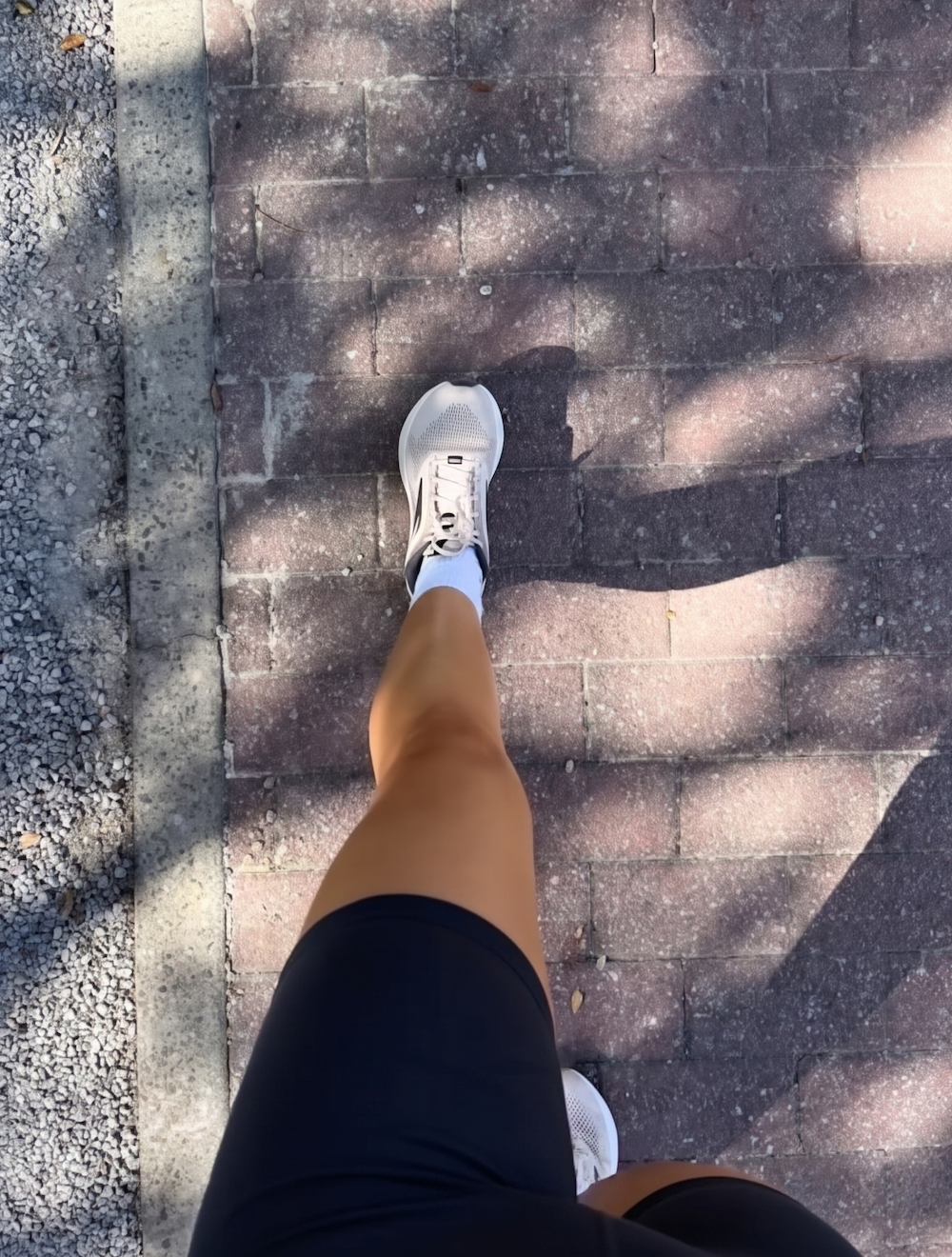
I was not training for a marathon. I just wanted to feel less foggy after lunch and sleep better at night. Twenty minutes at a brisk pace — headphones optional — was the smallest change I could stick to.
By week two, my resting heart rate on my watch ticked down a few points. By week four, the afternoon slump was still there sometimes, but it was shorter and easier to walk through — literally.
Why twenty minutes works
It is long enough to raise your heart rate and clear your head, but short enough to squeeze between meetings or after dinner. Consistency beat intensity every time.
If you are looking for one habit that plays nicely with a desk job, start here: same route, same time, no drama. Your future self will notice before your calendar does.
What I actually did (so you can steal it)
I picked two anchors: lunch three days a week, and one loop after dinner when the weather cooperated. “Brisk” meant I could talk in sentences but not sing — if I drifted into a stroll, I corrected without shame. Rain meant the parking garage ramp or a treadmill at the gym I already pay for; the rule was minutes, not scenery.
I did not count steps for the first two weeks on purpose. I only cared that the timer hit twenty. Once the habit felt automatic, the watch numbers became interesting instead of another scoreboard to fail.
What changed — and what did not
My weight barely moved. My thighs did not suddenly look “toned” in four weeks. What moved first was subjective: less neck tightness, fewer headaches after screen days, and a calmer transition into sleep when I walked in the evening instead of scrolling until my eyes burned.
On days I skipped, nothing catastrophic happened — which was quietly important. The story was not perfection; it was defaulting back to the walk the next day without a guilt spiral. That is the part that still carries me months later when work gets heavy again.